Reflection Overview
This week, class consisted of discussing artificial intelligence, with themes and common media associations being the primary source of discussion. Additionally, a mid-term evaluation survey was completed to gauge competence and productivity within the classroom setting thus far.
Mid-Semester Self-Evaluation
In the associated assignment, I concluded the grade of “B+” accurately described my contributions thus far. Despite putting a large amount of efforts into most assignments, procrastinating weekly summaries and class preparation have made my efforts less impressive. I hope to place a greater emphasis on preparation and time management as we ease into the development of the final project.
AI and Societal Themes
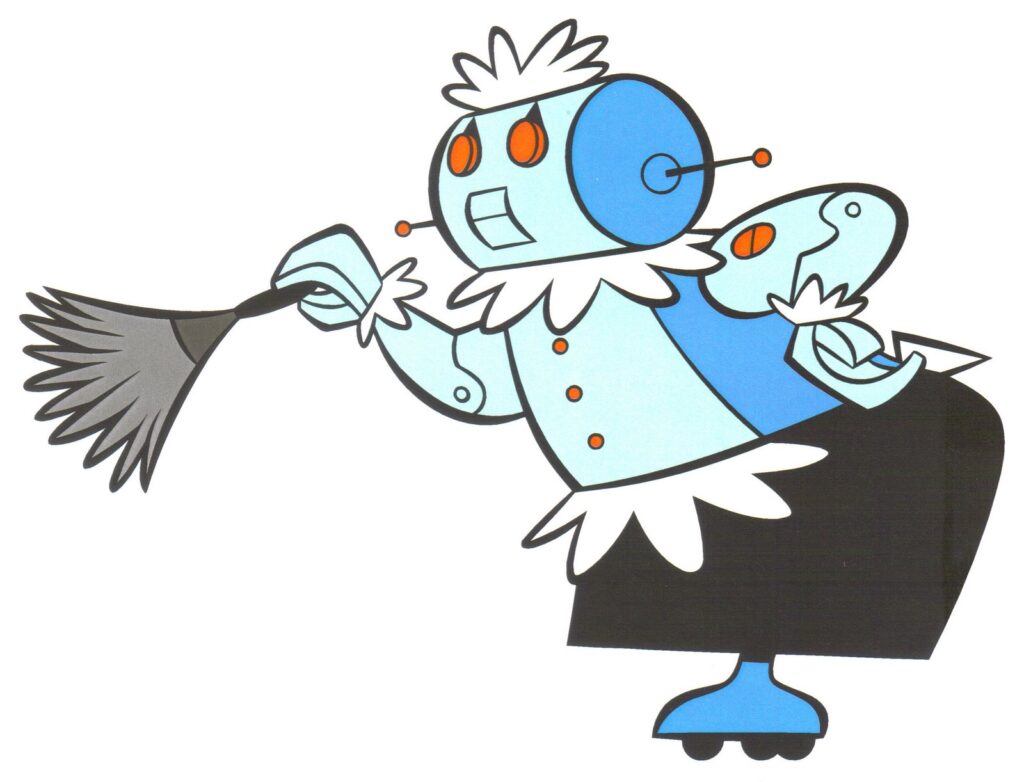
Regarding artificial intelligence, it is clear that its representation in pop culture resembles our societal biases and gender norms. Typically, these systems are displayed as male, with those taking on a “caretaker” role being more feminine. AI in media varies drastically in terms of appearance, but these overarching themes are ever-present.
The Trolley Problem
The well-known Trolley Problem has been central in regards to the discussion of ethics, especially with technology. How does one decide whether one life is worth saving over another? How would a human decide upon this decision, and how does one code an algorithm for this without implementing bias?
I found myself placed at the helm of this ethical dilemma in Pippin Barr’s The Trolley Problem, a flash game designed to allow the user to decide the fate of those lying on tracks and present biases in ethical decisions.

An additional source game-esque representation of technology and ethics is Cardboard Crash, a virtual reality simulation for Google Cardboard of how autonomous vehicles react to ethical scenarios. By using the medium of VR, the user may feel more compelled to answer as if they were actually in the situation itself, providing ample data for use in the design and training of the AI surrounding these algorithms.
